Rechercher dans ce blog

Tuesday, June 1, 2021

ITC Q4 results: Net profit falls 1.3% to ₹3,748 cr, board announces final dividend of ₹5.75 - Mint

FMCG-cigarette-to-hotel major ITC on Tuesday reported a year-on-year net profit of ₹3,748.41, down 1.29%, in the quarter ended 31 March, 2021. The company had posted a net profit of ₹3,797.08 crore in the year-ago period. The FMCG major posted a consolidated net profit of ₹3,755 crore in the said quarter.

The revenue for the period comes at ₹13,294 crore, up nearly 25% for the March quarter. The company had posted a revenue of ₹10,665 crore in the corresponding period. However, the standalone revenue from operations (excluding excise duty) in Q4FY21 grew by 22.6%to ₹13,294.7 crore YoY.

Total expenses increased 24% to ₹10,075.03 crore in this quarter against ₹7,663.74 crore in the same period a year ago.

The board also approved a final dividend of ₹5.75 per share for the quarter ended March, 2021. "The Final Dividend, if declared, will be paid on Friday, 13th August, 2021 to those Members entitled thereto," the company said in a regulatory filing.

The final dividend is in addition to the interim dividend of ₹5 per share declared by the Board on 11th February, 2021, and paid to the members on 10th March, 2021.

The FMCG major's earnings before interest, tax, depreciation and amortisation (EBITDA) came at ₹4,473 crore during March quarter.

Segment-wise, the sale of cigarettes improved strongly during the quarter under review. Revenue from its cigarette business, rose 14.2% to ₹5,859 crore for March quarter, compared with ₹5,130 crore in the corresponding period.

ITC hotel business was severely affected by the coronavirus pandemic. The revenue from hotel business reported 38% year-on-year decline to ₹287.77 crore in Q4FY21.

The revenue from agri business rose exponentially by almost 79% at ₹3,368.92 crore compared with ₹1,887.26 crore during the year-ago period. The revenue from revenues from paperboards, paper and packaging business rose year-on-year to ₹1,656.91 crore.

Meanwhile, ITC said its results for this quarter are not comparable with the earlier period as it also includes the revenue of Sunrise Foods, which it had acquired on July 27, 2020.

"The financial results of the group and 'FMCG Others' of the quarter and the financial year ended on March 31, 2021 include those of Sunrise from July 27, 2020 and consequently are not comparable with previous periods," it said.

ITC stock price gained 3.6% in the current year CY21, and 8% in the last one year. The FMCG major's scrip on BSE closed 0.32% lower at ₹215.90 today.

Subscribe to Mint Newsletters

* Enter a valid email

* Thank you for subscribing to our newsletter.

Never miss a story! Stay connected and informed with Mint. Download our App Now!!

Adblock test (Why?)


ITC Q4 results: Net profit falls 1.3% to ₹3,748 cr, board announces final dividend of ₹5.75 - Mint
Read More

Cipla seeks govt help on pricing, customs ahead of paying $1 billion advance for Moderna vaccine - India Today

Seeking fast-track approvals to bring Moderna's single-dose COVID-19 booster vaccine in India expeditiously, Cipla has requested the government for indemnification and exemptions from price capping, bridging trials and basic customs duty, while stating that it is close to committing over $1-billion as advance to the US major, sources said on Monday.

Commending the government for its efforts to increase the vaccine availability in the country for achieving effective protection against COVID-19, the Indian pharma giant has said its discussions with Moderna on the COVID-19 booster vaccine are nearing finalisation and for that, they are seeking the "partnership and support of the government to make this programme successful".

Requesting the government to provide confirmation on four critical points --- exemption from price restriction, indemnification, bridging trial waiver and basic customs duty exemption, Cipla has said such an assurance will help make this significant financial commitment of more than $1 billion (over Rs 7,250 crore) advance to Moderna for its booster vaccine in India, sources privy to the development said.

Also Read | Experts question Centre's one-dose Covid vaccination efficacy theory

Cipla's latest communication to the government, dated May 29, follows a high-level meeting held recently during which it was discussed that Moderna has proposed to launch a single-dose vaccine for the Indian market, for which, they were in discussion with Cipla and other Indian companies.

It was also discussed in that meeting that orders for supply of the vaccine in 2022 may be placed with Moderna expeditiously and that Cipla has evinced interest to procure 50 million doses from Moderna for 2022. It was also suggested that Cipla may be asked to submit their specific requests to the government on their request for a "confirmation from the Government of India in respect of stability in regulatory requirements/policy regime" and a decision on that can be taken thereafter expeditiously.

Taking the matter forward, Cipla has now written to the government, "It is imperative Cipla brings Moderna booster vaccines to India urgently, having immediately made available the largest portfolio of COVID-19 drugs amongst Indian pharmaceutical companies, including the state-of-the-art antibody cocktail of Casirivimab and Imdevimab."

Stating that Moderna's COVID-19 vaccine has been rated at the highest efficacy with least side effects and that the US company was also leading the development of boosters and vaccines for adolescents and paediatrics, Cipla has told the government that it needs assurance from the government to include Moderna booster vaccine under the Liberalised Pricing and Accelerated National COVID-19 Vaccination Strategy, announced in April and made effective from May 1.

Also Read | Reduce gap between two doses of Covishield for foreign-bound students: BMC to Centre

The company has said it is a "need of the hour" to provide access to quality vaccine booster to bolster India's fight against COVID-19 and that it is looking forward to the government's assurance to help it expeditiously close its supply arrangement with Moderna.

Seeking exemption from price restriction, Cipla said, "Given the size of the population we need to immunize with boosters, it is our avid belief that the government and private players can work together to deliver the vaccination programme, best serving the public interest."

"Any restriction brought on pricing may dissuade the mRNA players from providing their vaccines in India, considering the serious competing demand by other countries chasing the limited supply of vaccines," a source quoted Cipla as having communicated to the Indian government.

The company has further requested for the government's assurance that no price capping would apply for imported vaccines to be provided through private hospitals and that the booster vaccine can be covered under the liberalised pricing policy and kept exempt from any price capping.

Cipla has also sought indemnity in case of any adverse effects or complications caused by the Moderna vaccine and cited instances of the US Countermeasures Injury Compensation Program (CICP) and similar programmes in the UK, Canada, EU, Singapore and even the WHO-led Covax, that protect vaccine manufacturers/distributors from claims and underwrite the compensation burden.

On basic custom duty exemption, Cipla said it appreciates the government's intent on exempting basic customs duty on import of COVID-19 vaccines and urged it to be extended to the whole of 2022.

It also lauded NITI Aayog's recent statement on "Myths and Facts on India's Vaccination Process" where it had said that bridging trial requirement for vaccines approved by the US FDA, EMA and others will be waived off altogether for well-established vaccines, manufactured in other countries.

The company has sought confirmation that the Moderna booster vaccine, having received the USFDA's Emergency Use Authorisation (EUA) will not require a bridging trial in India. However, Cipla stated that as Moderna's India partner, it will comply with post-marketing surveillance requirements.

Similar requests for indemnity and exemption from bridging trials have been made by another US major Pfizer as well.

Adblock test (Why?)


Cipla seeks govt help on pricing, customs ahead of paying $1 billion advance for Moderna vaccine - India Today
Read More

Auto sales May 2021 | Check out how auto companies fared amid closed showrooms - Moneycontrol.com

The auto industry is estimated to have sold little over 103,000 units in May which is only one-third compared to the average of 300,000 units sold every month between January to April.

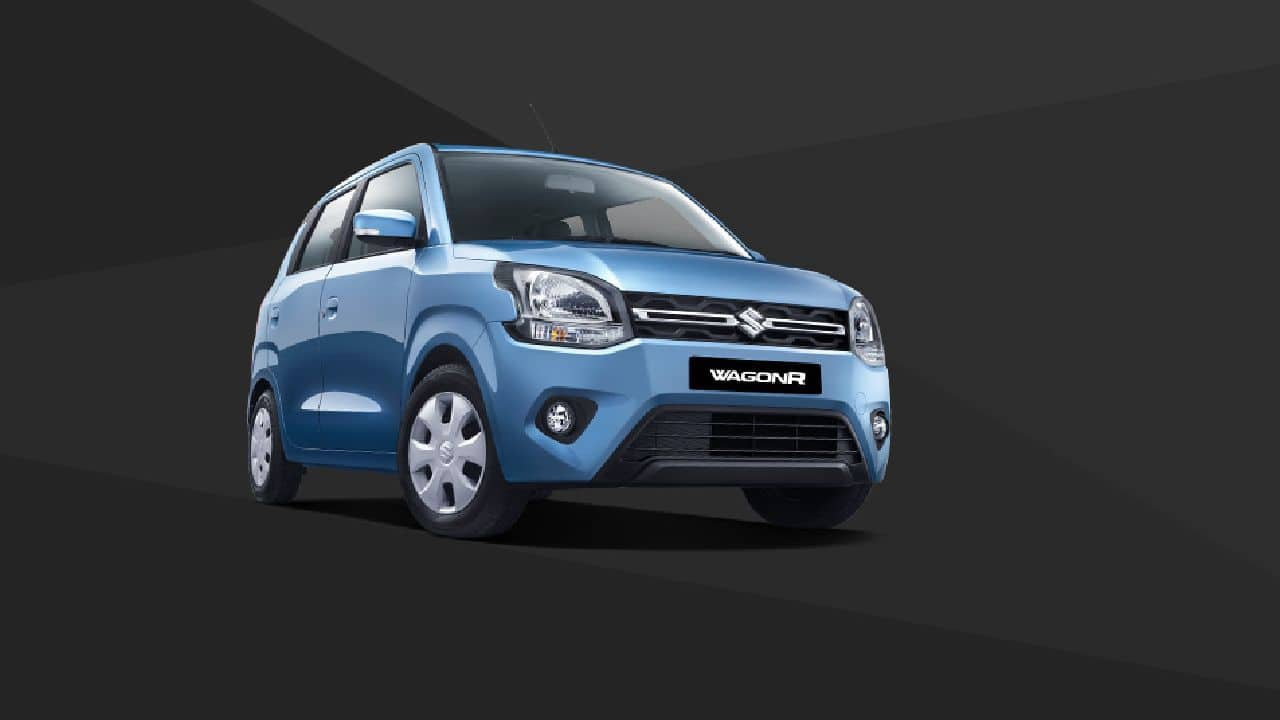
Maruti Suzuki, India’s largest car maker, recorded sales of 32,903 units during May, posting a growth of 140 percent compared to sales of 13,702 units in May 2020. (Image: Maruti Suzuki)
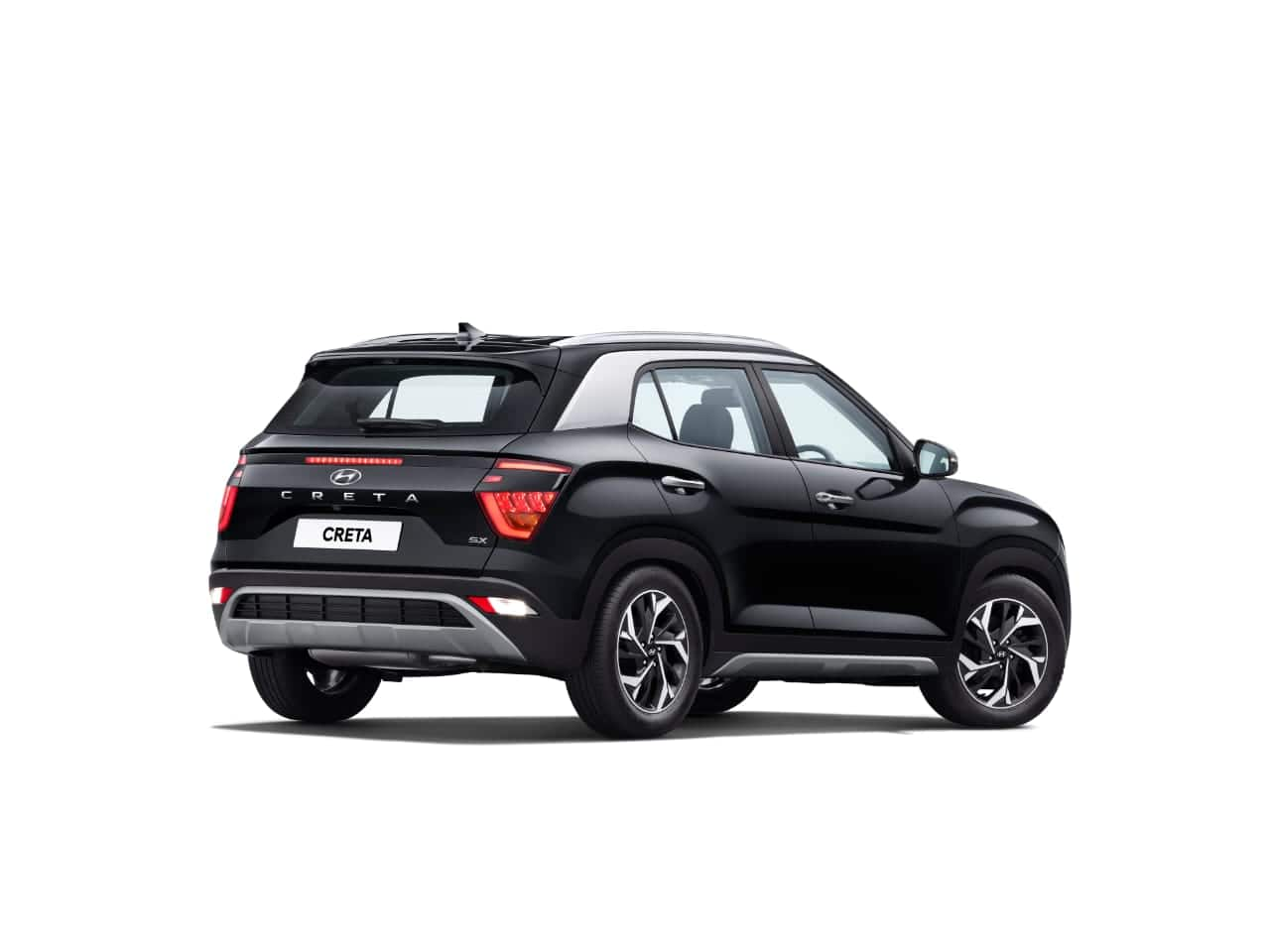
Hyundai Motor India, the country’s second biggest carmaker, clocked sales of 25,001 units in the domestic market in May 2021, recording a growth of 263 percent. In May 2020 the company had sold 6,883 units. (Image: Hyundai)
Hyundai Motor India, the country’s second biggest carmaker, clocked sales of 25,001 units in the domestic market in May 2021, recording a growth of 263 percent. In May 2020, the company had sold 6,883 units. (Image: Hyundai)
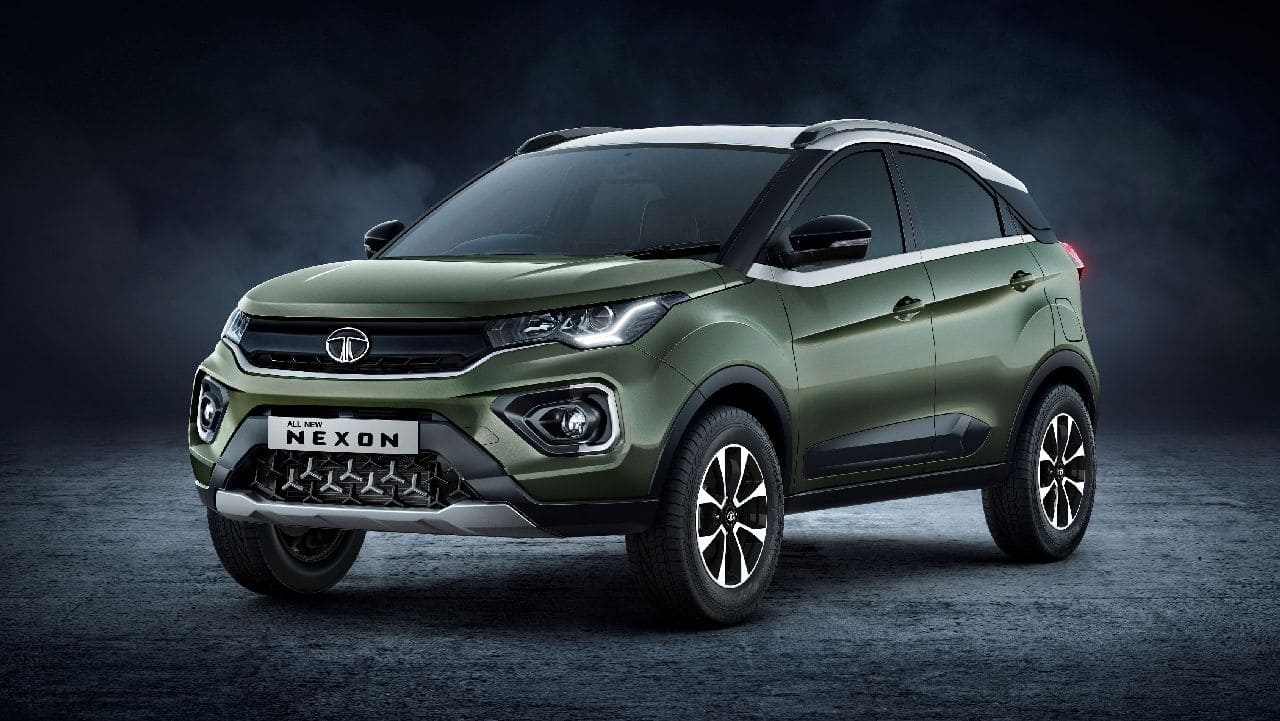
Tata Motors, India’s third biggest carmaker, recorded sales of 15,181 units during May 2021, a growth of 382 percent. In May 2020 Tata Motors had clocked 3,152 units in sales. (Image: Tata Motors)
Tata Motors, India’s third biggest carmaker, recorded sales of 15,181 units during May 2021, a growth of 382 percent. In May 2020, Tata Motors had clocked 3,152 units in sales. (Image: Tata Motors)
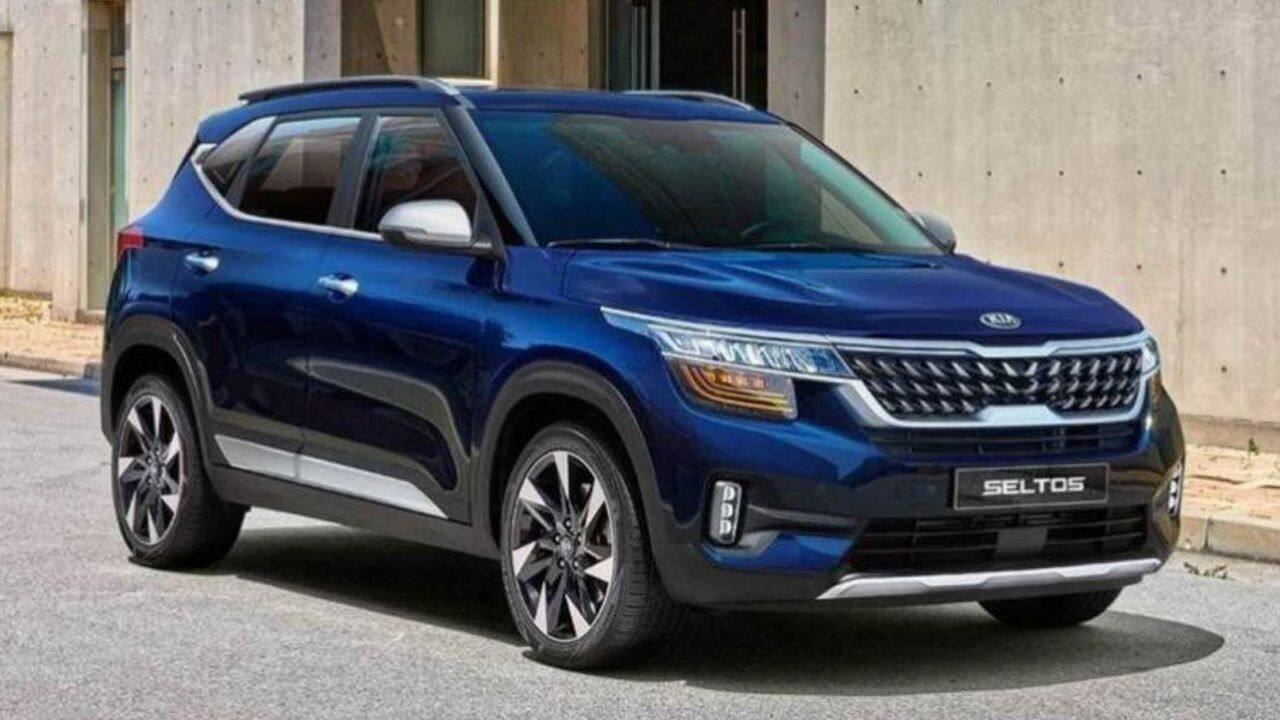
Korean car brand Kia Motors logged domestic sales of 11,050 in May 2021, a growth of 565 percent while its May 2020 sales stood at 1,661 units. (Image: Kia India)
Mahindra & Mahindra (M&M), the SUV specialist, closed May 2021 with sales of 8,004 units, recording a growth of 114 percent. The company had sold 3,867 units during May 2020. (Image: M&M)
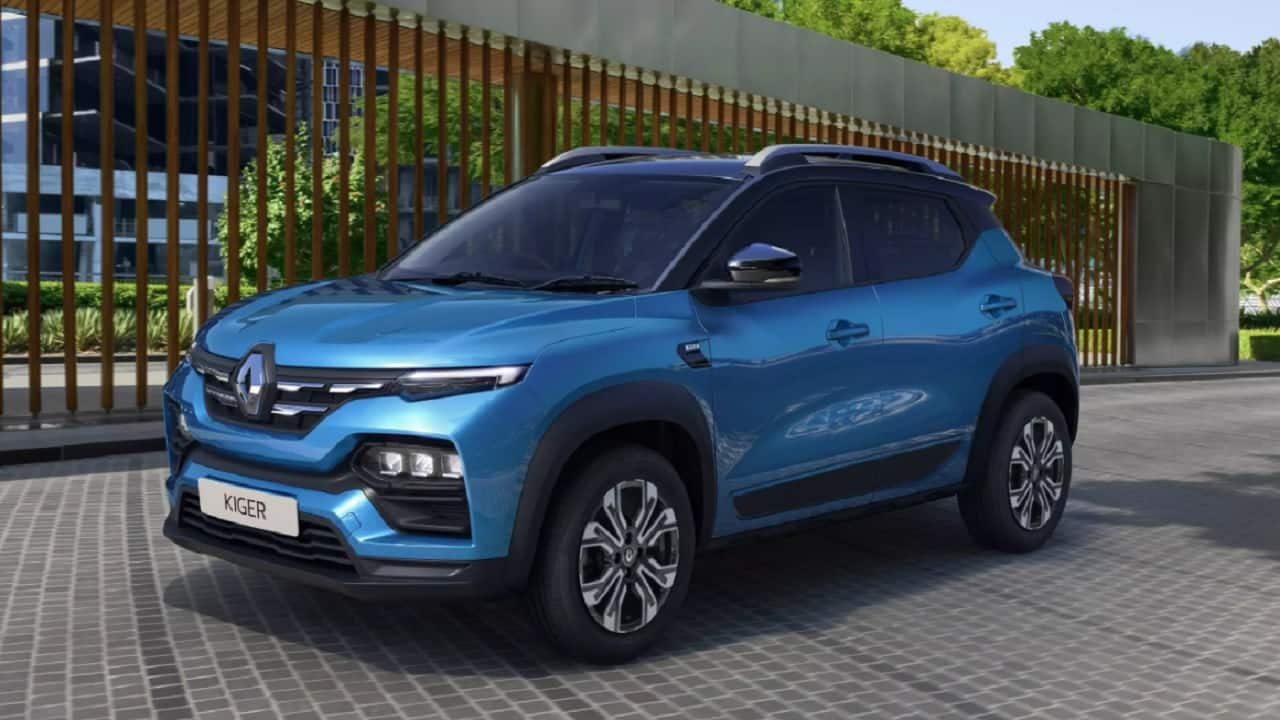
French car brand Renault sold 2,620 units in May up from 1753 units sold in May last year, a growth of 49 percent. (Image: Renault)
French car brand Renault sold 2,620 units in May, up from 1,753 units sold in May last year, a growth of 49 percent. (Image: Renault)
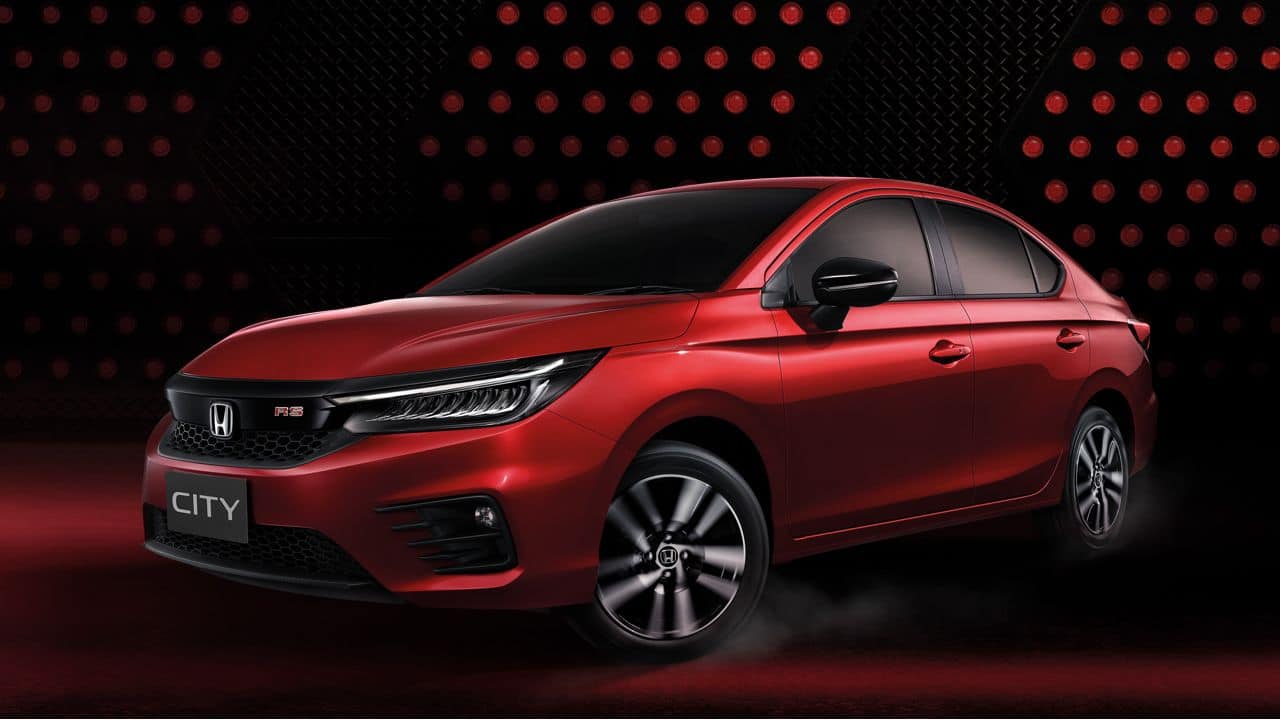
Honda Cars India recorded 442 percent growth in May volumes to 2032 units as against 375 units sold in the same month last year. (Image: Honda)
Honda Cars India recorded 442 percent growth in May volumes to 2,032 units as against 375 units sold in the same month last year. (Image: Honda)
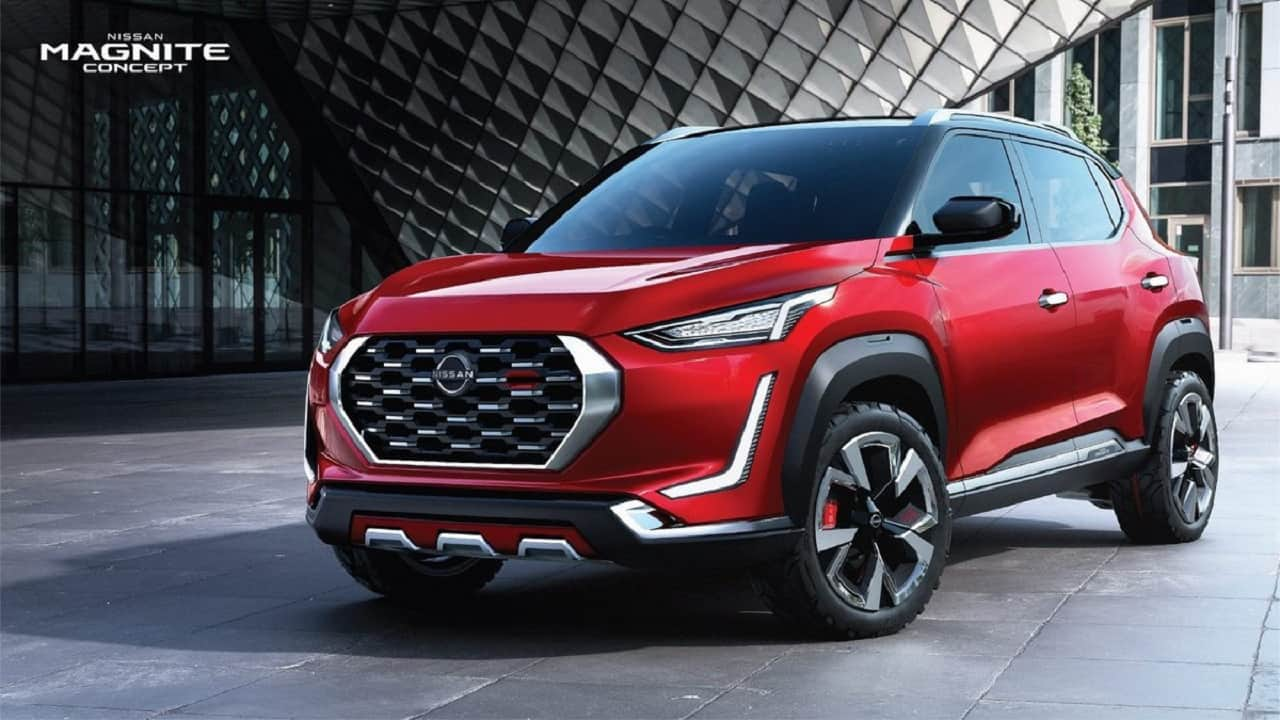
Nissan Motor India saw 227 per cent growth in May volumes to 1235 units as against 378 units sold in the same month last year. (Image: Nissan)
Nissan Motor India saw 227 percent growth in May volumes to 1,235 units as against 378 units sold in the same month last year. (Image: Nissan)
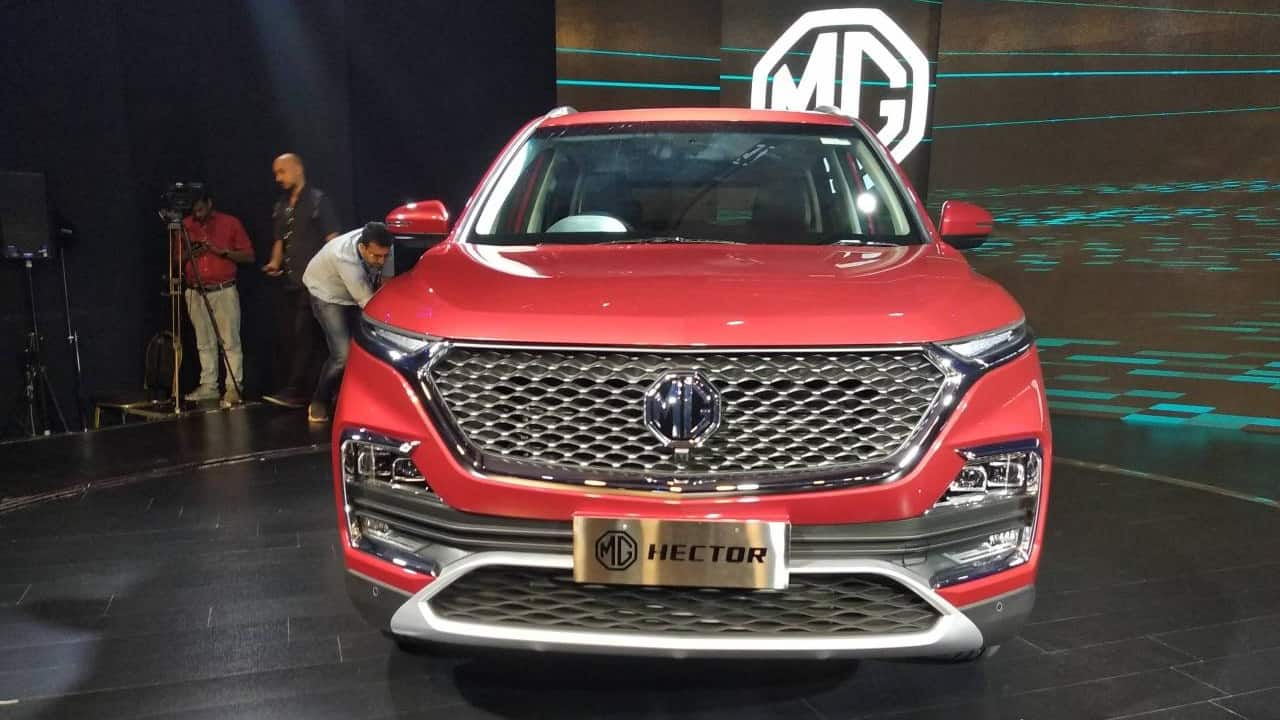
SAIC-owned MG Motor reported 1,016 units in sales during May 2021, a growth of 43 percent. The company had seen sales of 710 units in May 2020. (Image: MG Motor India)
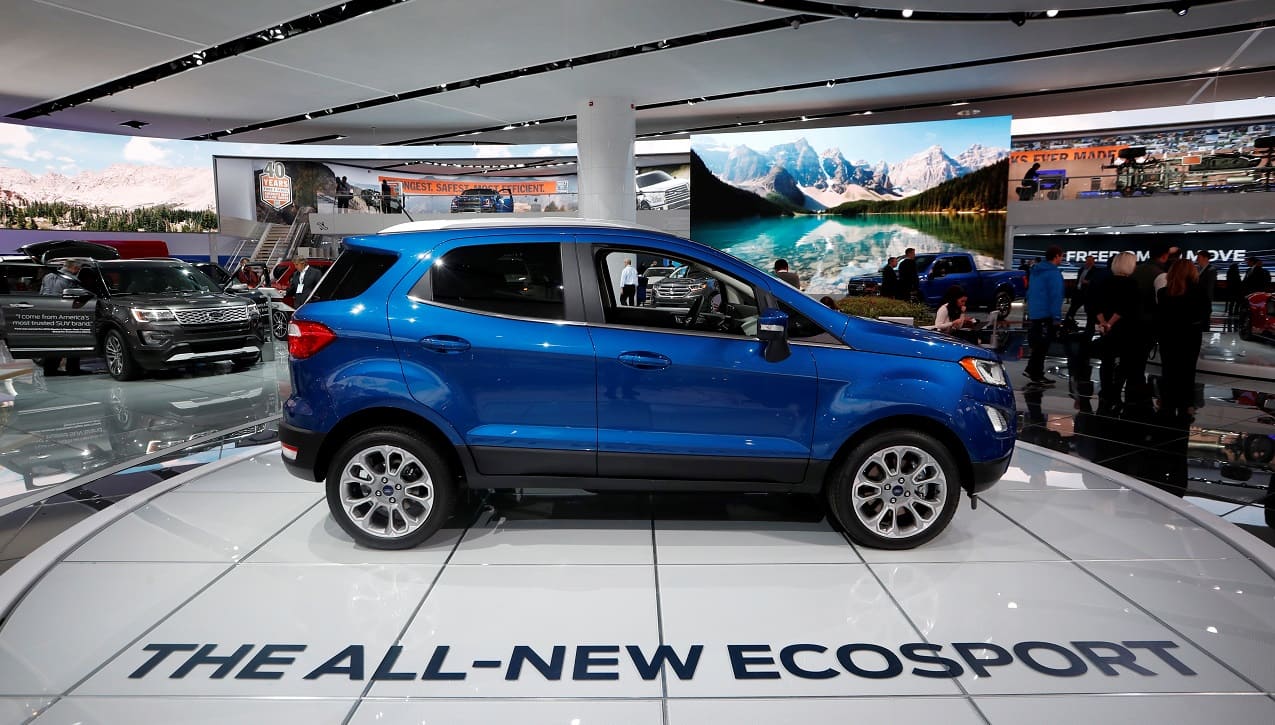
Ford Motor India clocked 766 units sales in May, a growth of 34 percent as against 571 units clocked in the same month last year. (Image: Ford)
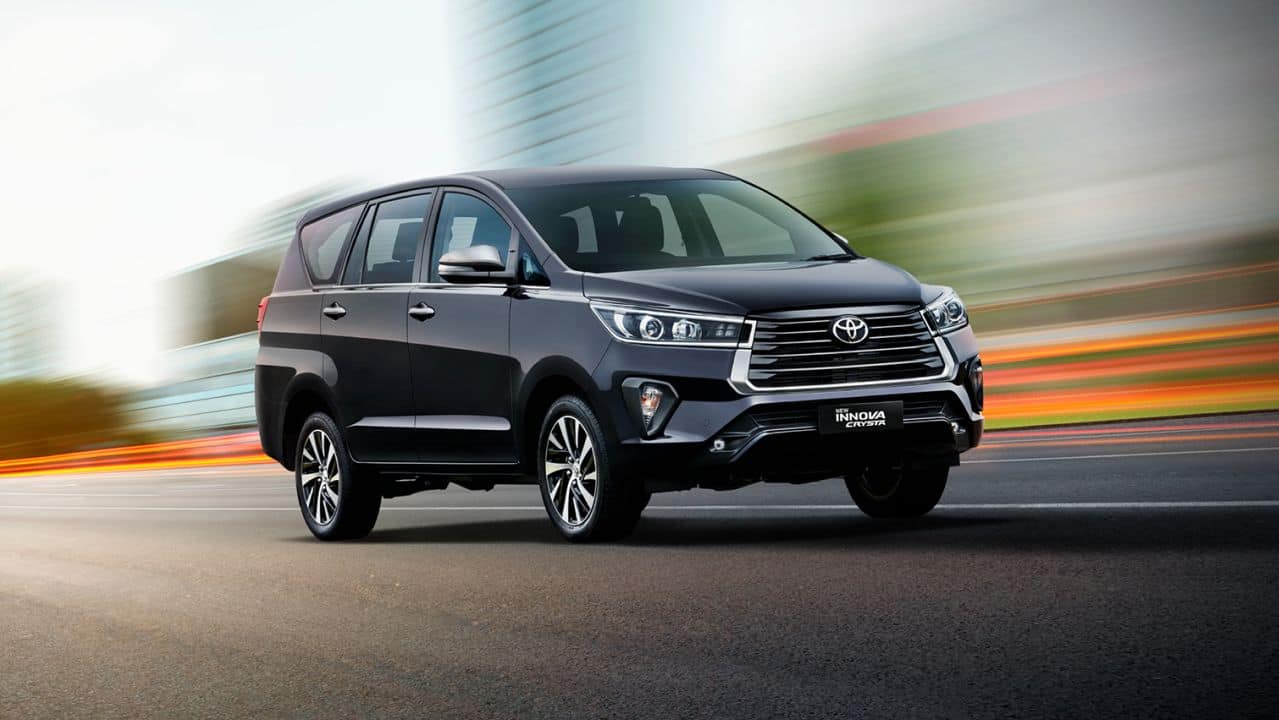
Toyota Kirloskar Motors sold 707 units domestically in May 2021 as against sales of 1,639 units in May 2020, a fall of 57 percent. (Image: Toyota)

Swaraj Baggonkar

Adblock test (Why?)


Auto sales May 2021 | Check out how auto companies fared amid closed showrooms - Moneycontrol.com
Read More

ITC Q4 Results: Net profit falls 1.3% YoY, beats estimates; firm to pay Rs 5.75 dividend - Economic Times

MUMBAI: on Tuesday reported a 1.3 per cent year-on-year decline in net profit to Rs. 3,748.4 crore, which was slightly higher than analysts' expectations.

The company’s revenue from operations jumped 24 per cent on year to Rs. 14,157 crore, sharply higher than Street estimates.

The company’s board approved a final dividend of Rs. 5.75 per share for the financial year ended March 2021.

The strong topline performance of the cigarette maker was aided by the low base of the year-ago period, which was marred by a national lockdown to contain the spread of the Covid-19 pandemic.

The cigarette business had a strong rebound in the quarter as the segment’s revenues grew 14.2 per cent on a year-on-year basis to Rs. 5,859.60 crore.

Similarly, the non-cigarette fast-moving consumer goods business continued its growth momentum, with revenues climbing 15.8 per cent on year to Rs. 3,687.5 crore.


However, the standout performer of the quarter for the company was its agriculture business, where sales soared 78 per cent on year to Rs. 3,368.92 crore.

ITC said that the earnings before interest, tax, depreciation and amortization of the non-cigarette FMCG business grew 19.3 per cent on year in the March quarter to Rs. 305.98 crore.

ITC shares had ended 0.3 per cent lower at Rs. 215.90 on NSE earlier in the day.

Adblock test (Why?)


ITC Q4 Results: Net profit falls 1.3% YoY, beats estimates; firm to pay Rs 5.75 dividend - Economic Times
Read More

India’s Manufacturing PMI Drops To 10-Month Low In May - BloombergQuint

A gauge of activity across India’s manufacturing sector fell to the lowest in 10 months amid a resurgence of Covid-19 cases.

The IHS Markit India Manufacturing Purchasing Managers’ Index stood at 50.8 in May 2021 compared with 55.5 in April, according to a media statement. A reading above 50 indicates economic expansion.

New orders, the largest sub-component of the headline figure, rose at the slowest pace since the current stretch of expansion started in August 2020, the release said, with demand suppressed by the second wave of the Covid-19 crisis.

Overall buying levels also rose at the slowest pace in 10 months. Companies that were successful in securing new work, purchased additional materials even as others refrained from lifting input buying due to fewer output needs and the ongoing crisis.

Supplier delivery times continued to lengthen for the third straight month. The deterioration was linked to global shortages of raw materials and the pandemic. In turn, raw material scarcity exerted further upward pressure on input costs. The rate of inflation eased to a four-month low, but remained sharp and above its long-run average.

Survey respondents reported higher aluminium, chemical, copper, plastic and steel prices. Amid reports of ongoing efforts to protect margins from cost increases, firms lifted their selling prices again in May. The rate of charge inflation was solid, but softened from April. On the stocks front, there was a solid contraction in post-production inventories.

New export orders also increased at a softer rate.

Covid-19 restrictions and a lack of new work led companies to reduce their payroll numbers further. The decline in employment was slight, but accelerated from April.

Growth projections were revised lower as firms became more worried about the escalation of the pandemic and local restrictions, Lima said. The overall degree of optimism towards the year-ahead outlook for output was at a 10-month low, a factor which could hamper business investment and cause further job losses, she said.

Adblock test (Why?)


India’s Manufacturing PMI Drops To 10-Month Low In May - BloombergQuint
Read More

Taking Stock | Sensex, Nifty end flat amid volatility; smallcaps drag - Moneycontrol.com

The market failed to hold early gains and ended flat in a volatile session on June 1. At close, Sensex was down 2.56 points to close at 51,934.88, and the Nifty was down 7.90 points or 0.05% to end at 15,574.90.

"Indices traded in a range and closed flat even as Corporate India has been announcing capital expenditure plans since the start of the fiscal," said S Ranganathan, Head of Research at LKP securities.

"Weak PMI data released today did not help sentiments as we saw profit-taking across the metal space. In the broader market, we saw keen interest in select pockets of textiles & pharma names," Ranganathan added.

Among sectors, buying saw in the infra, IT and energy sectors, while bank, auto and metal sectors ended in the red. BSE Smallcap index shed 0.3 percent, while Midcap index ended flat.

Adani Ports, ONGC, Bajaj Finance, SBI and Bajaj Auto were among major gainers on the Nifty, while losers included JSW Steel, Tata Steel, UltraTech Cement, ICICI Bank and Grasim Industries.

Stocks & sectors

On BSE, the metal index shed nearly 2 percent and realty, bank indices fell 0.5 percent each.

Among individual stocks, a volume spike of more than 100 percent was seen in Aarti Industries, Adani Enterprises and Bajaj Auto.

Long buildup was seen in Alkem Laboratories, ONGC and Aarti Industries, while short buildup was seen in Ashok Leyland, City Union Bank and SAIL.

More than 250 stocks, including SBI, Mindtree and Adani Enterprises, hit a fresh 52-week high on the BSE.

Technical View

Nifty formed a bearish candle on the daily scale as it closed lower than its opening levels, but continued its formation of higher highs of the last eight sessions.

"Nifty has to hold above 15,500 zones to witness an up move towards fresh lifetime high of 15,750 zones, while on the downside support exists at 15,431 and 15,300 zones," said Chandan Taparia of Motilal Oswal Financial Services.

Disclaimer: The views and investment tips expressed by experts on Moneycontrol.com are their own and not those of the website or its management. Moneycontrol.com advises users to check with certified experts before taking any investment decisions.

Adblock test (Why?)


Taking Stock | Sensex, Nifty end flat amid volatility; smallcaps drag - Moneycontrol.com
Read More

Nestle’s ‘unhealthy’ food portfolio controversy: All you need to know - India Today

Nestle, the world’s largest packaged food and beverages company, has been facing criticism after an internal presentation indicated that a majority of its mainstream food and drinks portfolio is unhealthy.

The company is now in damage control mode and said that it will work on updating its nutrition and health strategy.

NESTLE’S ‘UNHEALTHY’ FOOD PORTFOLIO

An internal document accessed by the Financial Times newspaper described a large portion of Nestle’s food and drinks as unhealthy. The document was an internal presentation circulated among the company’s top executives early in 2021.

It indicated that more than 60 per cent of Nestle’s mainstream food and drinks portfolio could not be considered healthy under a “recognised definition of health”.

The company also revealed in the internal document that some of its categories will “never be healthy”.

“Some of our categories and products will never be ‘healthy’ no matter how much we renovate,” said the Nestle internal presentation.

The document further highlighted that the assessment applied to about half of Nestle’s overall portfolio as categories like medical nutrition, pet food, coffee and infant formula were excluded from the analysis.

Out of the food and beverage assessed, 37 per cent achieved a rating over 3.5 under Australia’s health star rating system. The system scores food out of five stars and is used in research by international groups such as the Access to Nutrition Foundation.

In the internal document, Nestle described the 3.5-star threshold as a “recognised definition of health”. According to the document, about 70 per cent of Nestle’s food products and 96 per cent of beverages — excluding pure coffee — failed to meet the threshold. In addition, 99 per cent of Nestle’s confectionery and ice cream portfolio also failed to meet the threshold rating.

Only the water and daily products of the company scored better, with 82 per cent of waters and 60 per cent of dairy meeting the 3.5-star threshold.

Nestle acknowledged in the document that the company’s food portfolio still underperforms against external definitions of health.

“We have made significant improvements to our products...[but] our portfolio still underperforms against external definitions of health in a landscape where regulatory pressure and consumer demands are skyrocketing,” the internal presentation said.

As per the presentation, some of the company’s products such as DiGiorno three meat croissant crust pizza include about 40 per cent of a person’s recommended daily sodium intake while others like hot pockets pepperoni pizza contain 48 per cent.

Another Nestle product, the orange-flavoured San Pellegrino drink, get an ‘E’ rating, which is the worst mark available under a different scorning system, Nutria-Score. The drink has more than 7.1 gram of sugar per 100 ml.

There are several other Nestle food and beverages that contain elevated levels of sugar or sodium.

NESTLE IN DAMAGE CONTROL MODE

The report comes at a time when the maker of Maggi noodles, KitKat and other popular products is trying to promote healthier eating. The company has already said that it is updating its nutrition and health strategy.

The food giant said it is working on a “company-wide” project to update nutrition and health strategy. The group is also updating its internal nutrition standards.

“We are looking at our entire portfolio across the different phases of people’s lives to ensure our products are helping meet their nutritional needs and supporting a balanced diet,” Nestle said after the report.

“Our efforts build on a strong foundation of work over decades...For example, we have reduced the sugars and sodium in our products significantly in the past two decades, about 14-15 per cent in the past seven years alone,” it said.

“We believe that a healthy diet means finding a balance between wellbeing and enjoyment. This includes having some space for indulgent foods, consumed in moderation. Our direction of travel has not changed and is clear: we will continue to make our portfolio tastier and healthier,” it added.

Read | Nestle's Digital Push: FMCG major to spend Rs 260 crore on IT infra in India

Adblock test (Why?)


Nestle’s ‘unhealthy’ food portfolio controversy: All you need to know - India Today
Read More
Govt’s fiscal consolidation plan to aid private sector, boost capex revival - Moneycontrol

Finance Minister Nirmala Sitharaman The 2024 Interim budget is based on the robust framework of “Viksit Bharat by 2047.” Driving this gr...